See what’s happening.
Look at the actual work, listen to the team, and identify what is getting in the way.
A shared picture of the issue
Fractional operations leadership
You know something needs to change.
Let’s find what matters most — and get it done.
I work alongside you and your team to turn operating problems into practical systems, clear accountability, and forward progress.
Mike DarrowOperations Architect | Fractional COO
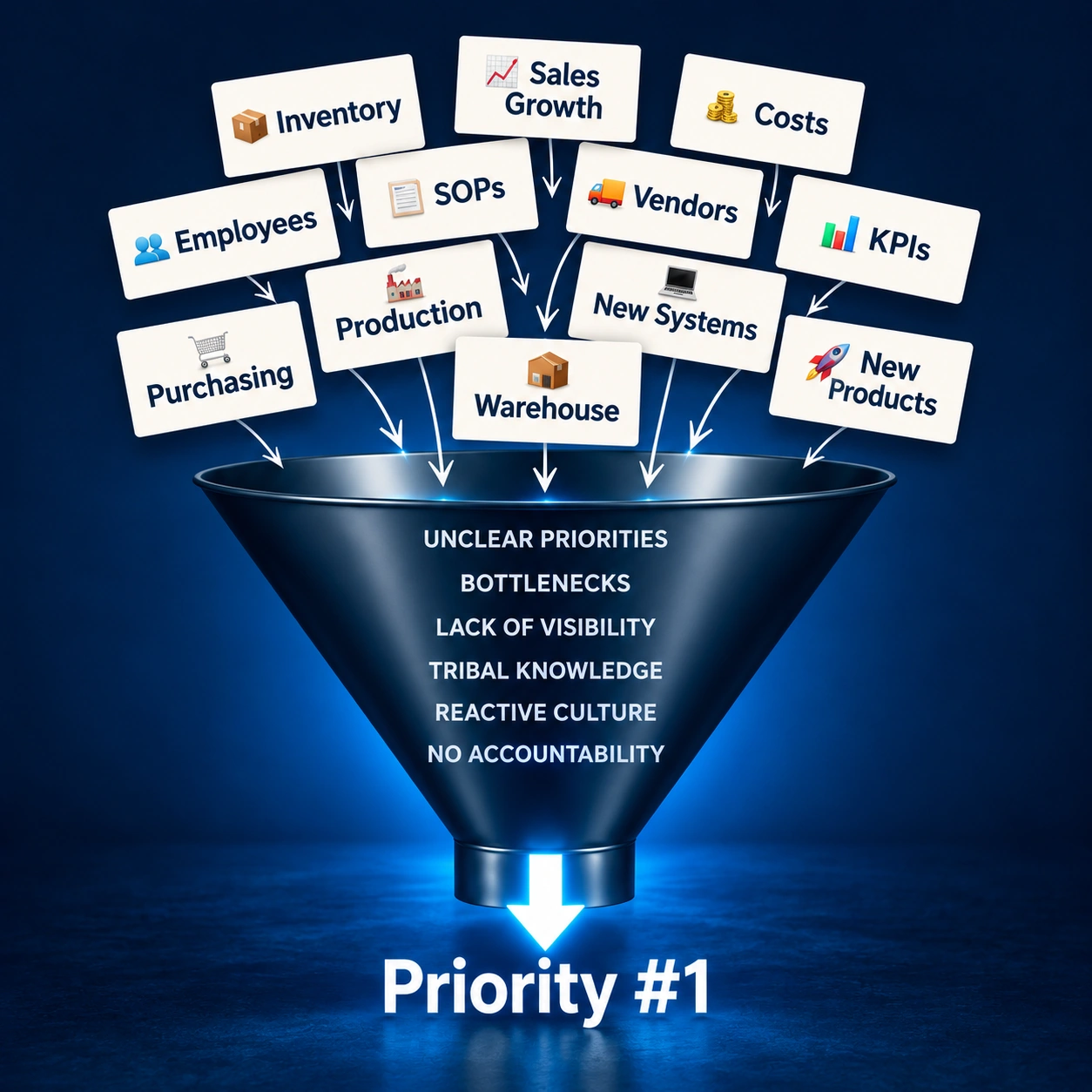
What is it costing you?
Even well-run businesses develop extra steps, delays, and recurring problems. Small operational improvements add up.
Workarounds become the way work gets done. Extra steps quietly consume time and capacity.
Improve how work flows 02Decisions bottleneck at your desk. The team stays busy, but ownership and follow-through are unclear.
Build clear accountability 03Revenue is visible. The costs, capacity, and day-to-day performance behind it are harder to see.
Get useful operating visibilityThe Ascend difference
I work inside the issues with you. We ask the right questions, put the priorities in order, build the tools, and help your team use them.
The work moves from discussion
to implementation.
How I help
Start with the issue you recognize.
Explore what we can put in place together.
From workarounds to repeatable work
When people do the same job different ways, the business pays for it in delays, rework, and extra effort. I help turn inconsistent work into a practical process your team can use.
What we can build
Less rework. Fewer dropped handoffs. More consistent execution.

The approach
Every business is different. The common thread is turning a real operating need into action your team can sustain.
Look at the actual work, listen to the team, and identify what is getting in the way.
A shared picture of the issueSet the first priority, define the outcome, and agree on ownership and next steps.
A focused implementation planPut the tools and processes in place, test them in the real operation, and make adjustments.
Working systems your team can useReview the measures, follow through on commitments, and transfer ownership to your team.
Clear accountability and follow-throughA defined initiative, a 90-day operating reset, or ongoing fractional leadership. We agree on scope and expectations together.
Inside the work
Your starting point
Three short questions to organize what’s getting in the way and see a practical next step.
No email required. Your answers stay in this page unless you choose to share them.
Your suggested Priority #1
A starting hypothesis to validate together.
We’ll discuss the issue, test the priority, and decide what level of hands-on support makes sense.
Opens a prepared email draft for you to review and send.
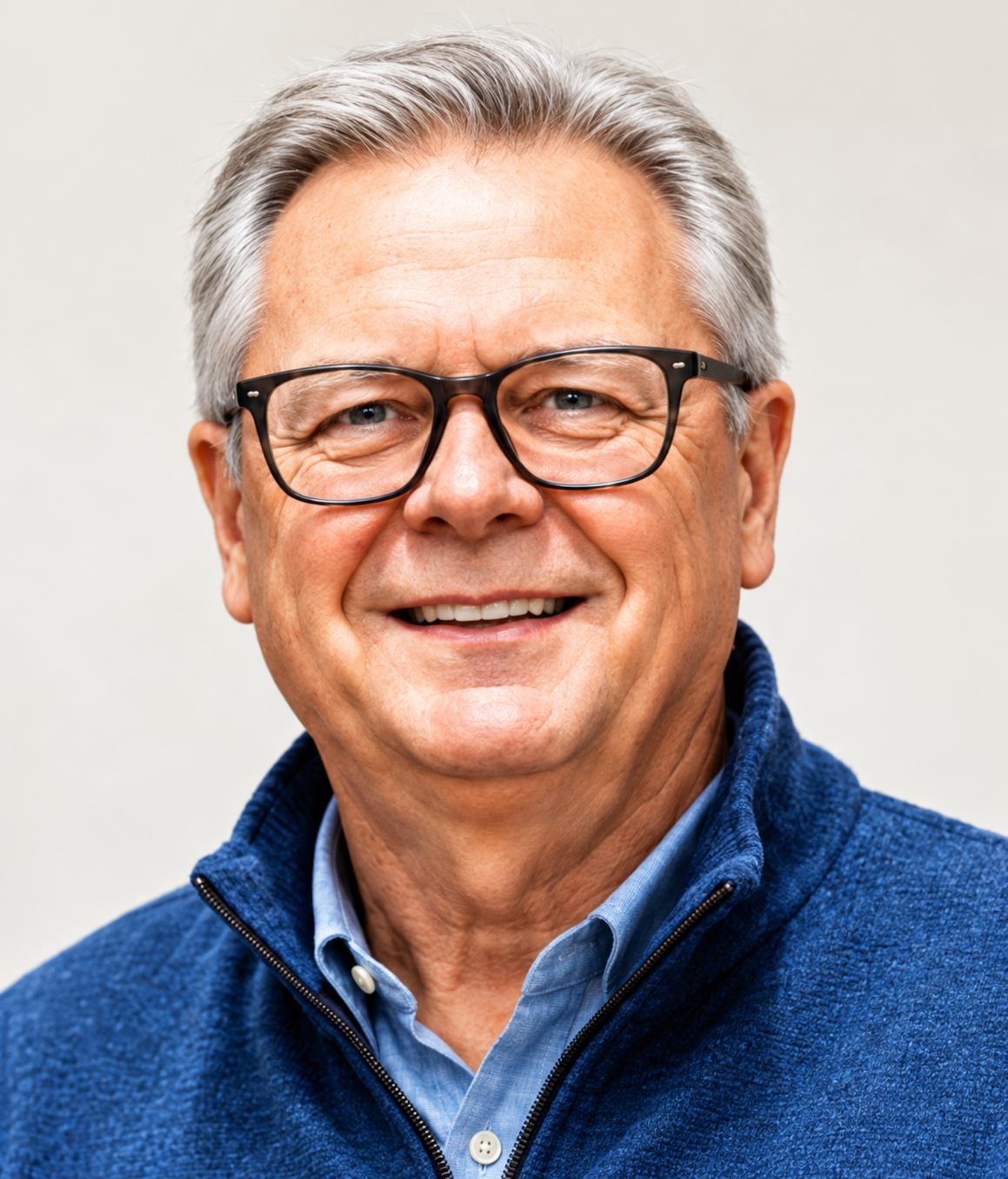
Meet Mike
Mike Darrow brings more than four decades of hands-on experience across nearly every aspect of business—from startup planning and business development to operations, financial management, sales, organizational leadership, and strategic growth.
As a business owner, former Washington SBDC advisor, and leader of an $80 million corporate division, Mike understands both the realities of running a smaller company and the systems that support growth.
He works alongside owners and their teams to build stronger operations, improve visibility and accountability, and turn priorities into practical action.
Mike Darrow brings more than four decades of hands-on experience across nearly every aspect of business—from startup planning and business development to operations, financial management, sales, organizational leadership, and strategic growth.
His perspective comes from working at every level of business. Mike has owned two businesses himself, giving him firsthand understanding of the risks, responsibilities, and day-to-day realities business owners face. He has also managed an $80 million division within a large corporate organization, where he gained experience leading complex operations, managing financial performance, developing teams, and building systems that support accountability and sustainable growth.
This combination allows Mike to bring the discipline and broader perspective of a large organization to smaller companies without burdening them with unnecessary corporate complexity. He understands that the right solution must fit the company’s size, resources, culture, and stage of development.
Before founding Ascend Business Dynamics, Mike served as a business advisor with the Washington Small Business Development Center. There, he worked directly with entrepreneurs developing new business ideas and with established companies addressing operational challenges, pursuing growth opportunities, and navigating important business decisions.
Mike’s strength is his ability to look across the entire business, identify how individual issues are connected, and help owners turn ideas and recommendations into practical action. He does more than advise from the sidelines—he works alongside owners and their teams to build stronger operations, improve visibility and accountability, and create measurable progress.
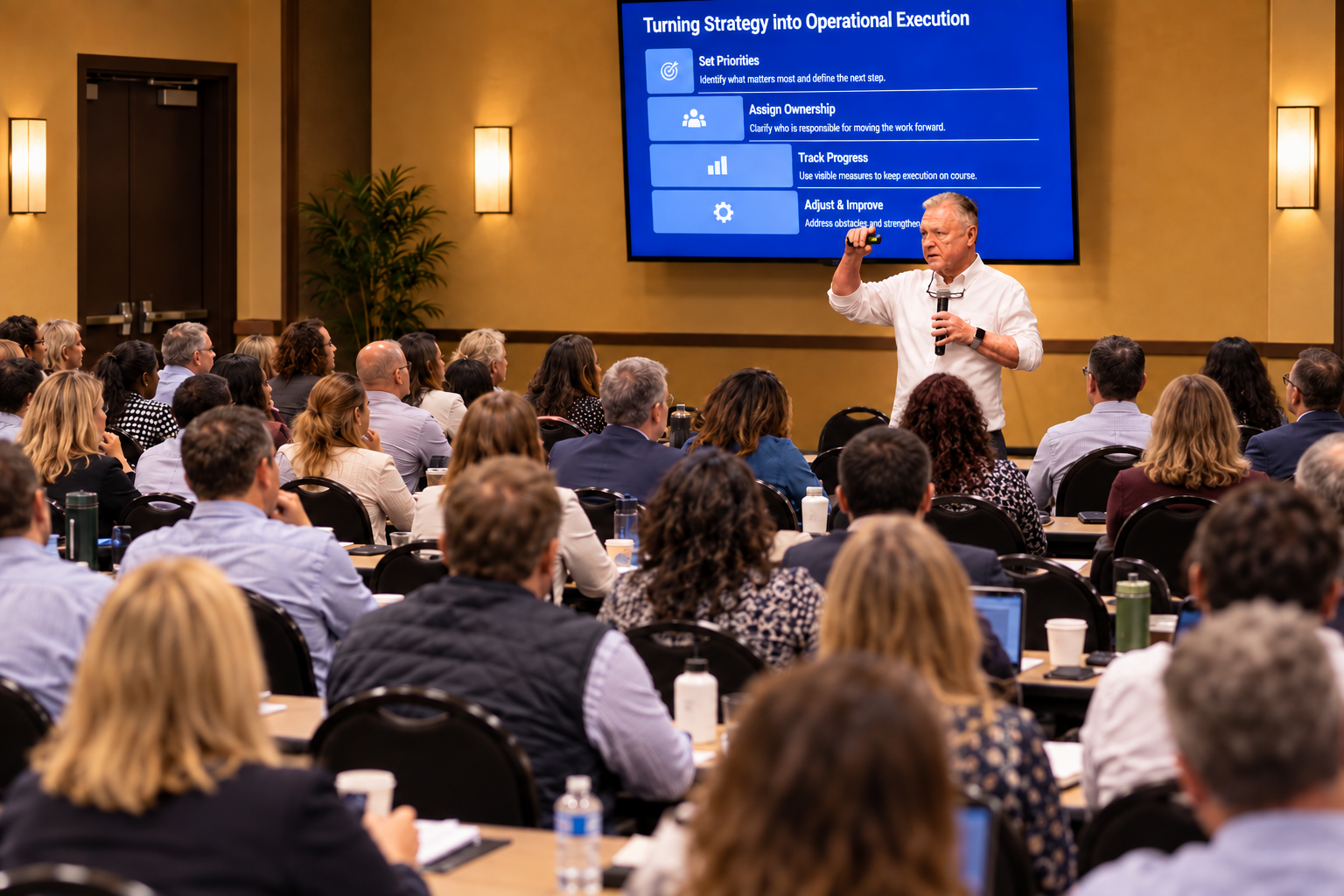
Mike holds a master’s degree and has been invited to speak before business organizations, colleges, economic development groups, and other professional audiences. Today, through Ascend Business Dynamics, he serves as an Operations Architect™ and Fractional COO, helping business owners gain clarity, strengthen their companies, and move forward with confidence.
Based in Yakima, Washington · Serving the Pacific Northwest
Let’s talk about your businessWho I help
I work alongside owners of small and growing businesses who want stronger operations and a clearer path forward. Whether you’re building a new business or improving an established company, the support should fit your people, resources, and stage of growth.
Sales and demand are growing, but production, staffing, inventory, or systems are struggling to keep up.
The same problems keep returning. You know improvements are needed, but daily demands leave little time to put them into practice.
A new business, new leadership, new equipment, or a growth opportunity needs a practical plan and help moving it forward.
Too many decisions and daily problems come back to the owner. Your team needs clearer responsibilities, useful information, and dependable follow-through.
A few common questions
A Chief Operating Officer helps turn business goals into day-to-day execution. “Fractional” means you bring in that experience for an agreed portion of time, rather than hiring a full-time executive. I work alongside you and your team to set priorities, strengthen operations, and follow through on the work.
No. Knowing that something needs to improve is enough to start. The interactive guide can help organize your thinking; our conversation helps test what should come first.
Yes. Hands-on implementation is central to Ascend’s work. We define the scope together, then work on the processes, tools, reporting, and accountability needed to put the improvements into use.
We discuss your business, the issue you want to change, and what a useful outcome would look like. If there is a fit, we agree on a practical next step and discuss scope and support. The discovery conversation is complimentary.
Yes. We can begin with one defined need, such as improving production flow, organizing inventory, understanding operating costs, or building a useful reporting system. We agree on the scope and desired outcome first. Ongoing fractional leadership is also available when broader support makes sense.
We begin by understanding the issue, the outcome you want, and the level of involvement that would help. Before work begins, we agree on the scope, timing, responsibilities, and cost so you know what to expect.
Yes. The goal is practical structure your team can use. Processes, tools, and reporting should fit your company’s size, resources, culture, and stage of development. We build on what works and focus improvements where they will be most useful.
Client experiences
“Perhaps most importantly, Mike helped us map out many of the key areas we need to focus on going forward. We have a clearer roadmap for the systems and infrastructure we need to continue building so that growth doesn’t simply create bigger problems for us down the road.
We also appreciated the time Mike invested in getting to know our team and understanding this quirky little company we’ve built. Bliss Kiss means an enormous amount to us, and it was clear to us that Mike genuinely cared about helping us make the company stronger and more sustainable.”
“Mike has been much more than a consultant—he has worked alongside us as a true member of our leadership team. He quickly understood our business, identified the areas that needed attention, and helped turn ideas into practical solutions. His experience and straightforward approach have helped us make better decisions and move forward with greater confidence.”
“What sets Mike apart is that he does not simply make recommendations and walk away. He gets involved, helps build the solution, and stays engaged until it is working. His hands-on approach has helped us improve our processes, strengthen accountability, and address issues that had been holding the business back.”
Getting started
Start with a complimentary discovery conversation about your business, what is getting in the way, and what you would like to change.
We discuss where hands-on support would help most and define a practical starting point and the outcome you want.
We agree on the scope, timing, responsibilities, and cost before work starts. Support can focus on one initiative or ongoing fractional operations leadership.
Let’s start a conversation
You don’t have to solve everything at once.
Let’s begin with the issue that matters most.
Your inquiry is submitted securely through Jotform. Open the form in a new window.